
Flashbacks or distressing memories.
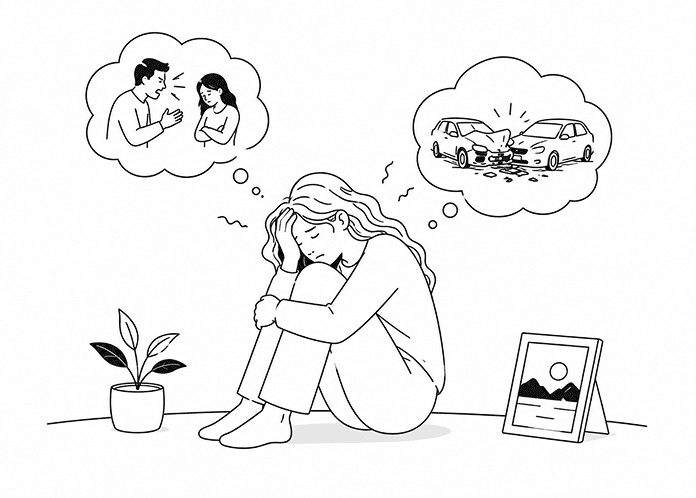

At Schuman-Liles Clinic, we provide evidence-based PTSD treatment to help you reclaim safety, stability, and well-being.
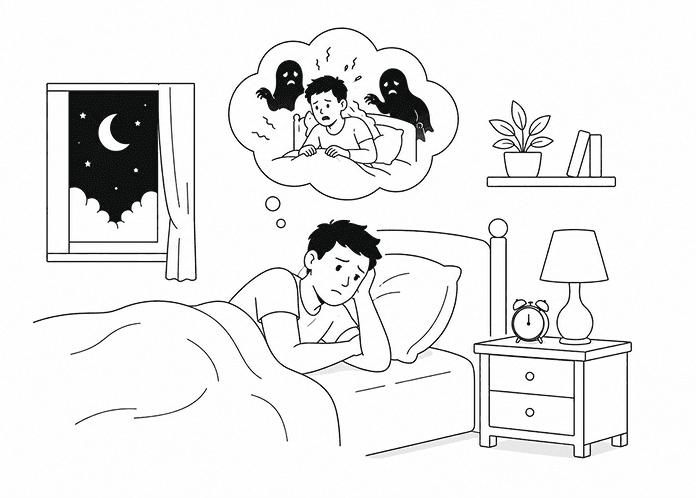
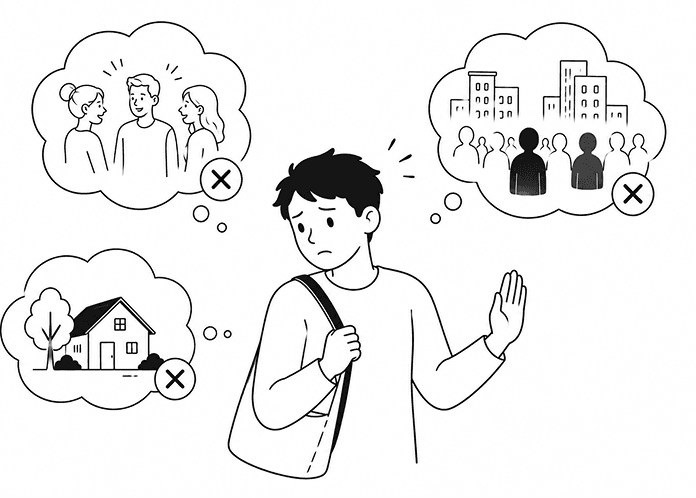
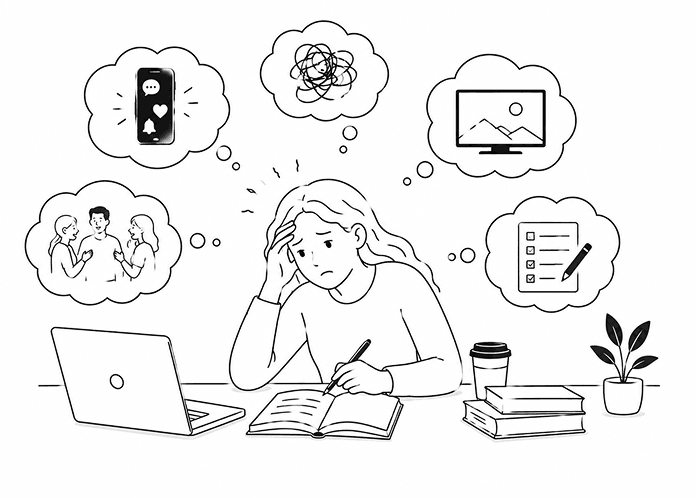
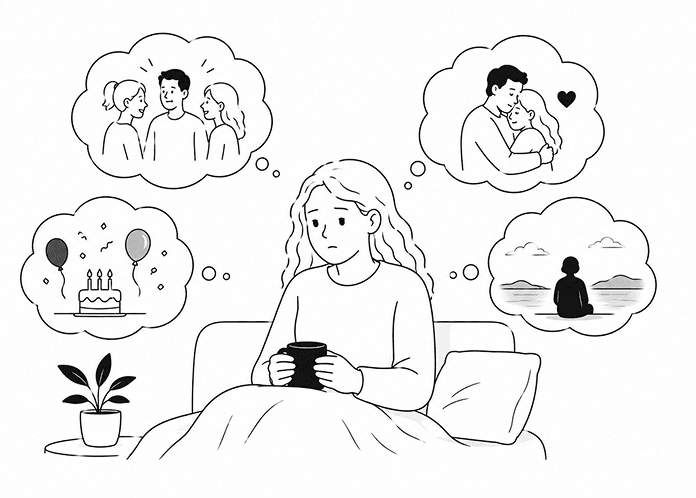
Post-Traumatic Stress Disorder (PTSD) is a mental health condition that can develop after experiencing or witnessing a traumatic event. Symptoms vary from person to person, and the common ones include:
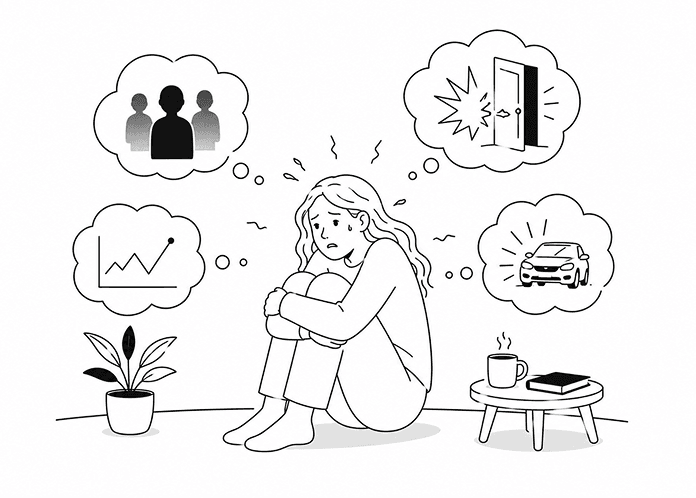
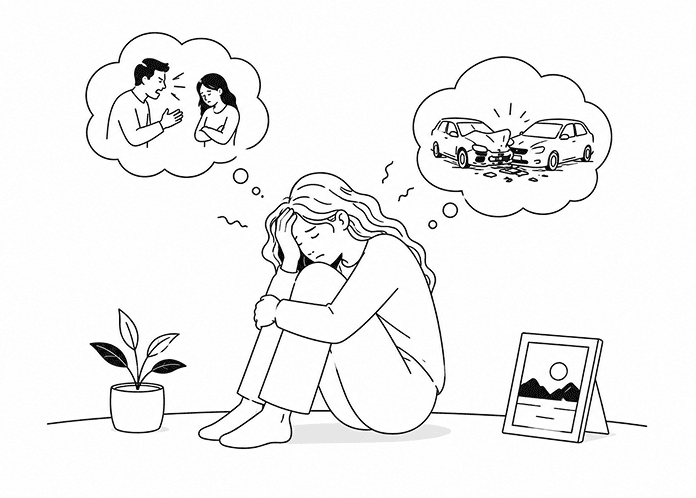
PTSD can develop after any event that feels overwhelming, life-threatening, or deeply distressing. Common causes include:
PTSD can present in different forms depending on the nature and duration of trauma. Our clinical team evaluates the distinct types of PTSD to ensure your treatment plan is aligned with your profile.
Symptoms last between one and three months following a traumatic event
Symptoms persist for three months or longer and may intensify over time
Symptoms emerge six months or more after the traumatic event
Develops from prolonged, repeated trauma such as childhood abuse or domestic violence, often accompanied by difficulties in emotional regulation and relationships.
PTSD occurring alongside other conditions such as depression, anxiety, or substance use disorder

As a trusted PTSD treatment center in San Leandro, CA, Schuman-Liles offers personalized care tailored to each individual's needs.

Thorough clinical assessments to establish an accurate diagnosis and rule out or manage co-occurring conditions

Careful, ongoing supervision of medications to stabilize mood shifts, alleviate severe anxiety, and improve sleep quality

Therapeutic guidance focused on rebuilding a profound sense of safety, restoring emotional balance, and teaching sustainable daily coping mechanisms

50+ years of trusted community care in San Leandro

Patients with Medicare, Alameda Alliance, and those without private insurance are welcome

It may be time to seek help if PTSD symptoms are interfering with work, relationships, sleep, or daily life. Trauma responses can become more difficult to manage over time, especially without treatment.
PTSD treatment typically includes trauma-focused psychotherapy, medication management, and integrated care for co-occurring conditions. Evidence-based psychotherapies like cognitive-behavioral therapy, cognitive processing therapy, and prolonged exposure therapy are the most effective approaches.
PTSD symptoms include intrusive memories, nightmares, flashbacks, avoidance of trauma reminders, negative changes in mood and thinking, and heightened reactivity such as hypervigilance, irritability, and sleep disturbances.
PTSD can develop after traumatic experiences such as accidents, abuse, violence, disasters, or other deeply distressing events.
Post-traumatic stress disorder (PTSD) is a mental health condition triggered by experiencing or witnessing a traumatic event. It causes persistent symptoms, including flashbacks, avoidance behaviors, negative mood changes, and heightened anxiety that interfere with daily functioning.
Types include standard PTSD, complex PTSD (from prolonged trauma), and PTSD with dissociative symptoms. Each type requires a tailored treatment approach.